WHEAT FLOUR
Wheat flour: a basic ingredient Wheat flour is a staple in the kitchen, used in a multitude of recipes, from bread to pastries to sauces. It is obtained from the grinding of wheat grains.

Types of wheat flour
Wheat flour is classified into different types, mainly defined by their ash content, which indicates the amount of bran present. The higher the ash content, the more wholemeal and fiber-rich the flour is.
T45 flour: Very white and fine, it is ideal for fine pastries (choux pastry, biscuits, etc.).
T55 flour: Versatile, it is suitable for most preparations (white bread, cakes, etc.).
Wholemeal flours (T110, T150): Darker and richer in nutrients, they are used for wholemeal bread, healthy biscuits, etc.
Properties of wheat flour
Gluten: The proteins in flour, especially gluten, give the dough its ability to develop and retain the gases produced by the yeast.
Starch: Starch is responsible for the texture and flavor of the flour.
Other nutrients: Flour provides carbohydrates, proteins, fiber and some vitamins and minerals.
Uses of wheat flour
Wheat flour is used in a multitude of recipes:
Breads: White bread, wholemeal bread, baguettes, brioches...
Pastries: Cakes, biscuits, cakes, pies...
Frying batters: Donuts, tempura...
Sauces: Binder for sauces...
Choosing the right flour
The choice of flour depends on the recipe:
Fine pastries: Choose a T45 flour.
Breads and cakes: T55 flour is versatile.
Wholemeal products: Opt for a wholemeal flour (T110, T150).
In summary, wheat flour is an essential ingredient in cooking. By understanding the different types and their properties, you will be able to choose the flour best suited to your recipes and thus obtain delicious results.
Ingredients
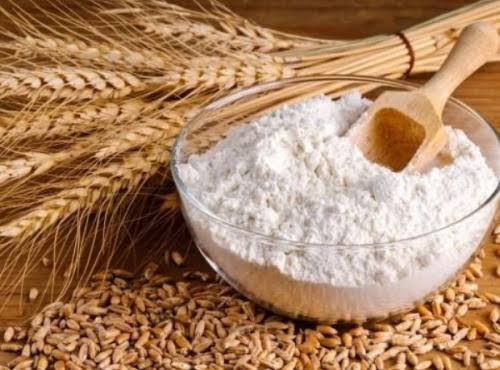
Wheat flour is the result of grinding the grain of soft wheat or wheat. Grinding has taken various forms since the first uses of the grain mill.

The first wheat crops appeared 10,000 years ago in southeastern Turkey. The wheat of that time, einkorn (Triticum monococcum), corresponds genetically to a diploid plant, that is to say containing two copies of each chromosome.

Cereals are monocotyledonous plants of the Poaceae family, wild or cultivated, which produce edible grains, used mainly in human food, often ground in the form of refined or more or less wholemeal flour.

"Wheat" is a generic term that designates various species of herbaceous plants belonging mainly to the genera Triticum (family Poaceae, or grasses), but also to other genera by assimilation (example "black wheat" or buckwheat).

Here we will deal with cereals belonging to the genus Triticum, which are annual plants of the grass family, cultivated in many countries. The word "wheat" also designates the "grain" (caryopsis) produced by these plants.